

Pulses on a Budget: Building Satisfying Indian Meals with Dal and Beans
An affordable meal plan should begin with foods people can buy, cook, and enjoy regularly.
Article Snapshot
An affordable meal plan should begin with foods people can buy, cook, and enjoy regularly. Dal, chickpeas, cowpeas, and other pulses already have a place in many Indian kitchens, making them useful ingredients for practical meal planning.
- Understand the role of pulses
- Build meals around what is already familiar
- Compare cost per usable meal
Medical Review & Verification
An affordable meal plan should begin with foods people can buy, cook, and enjoy regularly. Dal, chickpeas, cowpeas, and other pulses already have a place in many Indian kitchens, making them useful ingredients for practical meal planning. The challenge is usually not finding a fashionable recipe. It is deciding how pulses fit with rice or roti, preparing them within a busy schedule, and keeping meals varied enough to repeat. This guide focuses on those decisions. It does not prescribe a universal amount or suggest that adding dal makes any quantity of rice appropriate for everyone.
Understand the role of pulses
Pulses contribute protein and fibre, but they also contain carbohydrate. That combination is why they deserve attention as part of a meal rather than being treated as a free addition. The CDC's guidance on choosing carbohydrates includes beans and other fibre-containing foods within a balanced eating approach. Your dietitian can help decide how a pulse serving fits with the grain, vegetables, and other foods on your plate. People who count carbohydrate or use meal-related insulin may need more specific education. The useful message is simple: pulses can contribute to a thoughtful meal, but the complete portion and treatment context still matter.
Build meals around what is already familiar
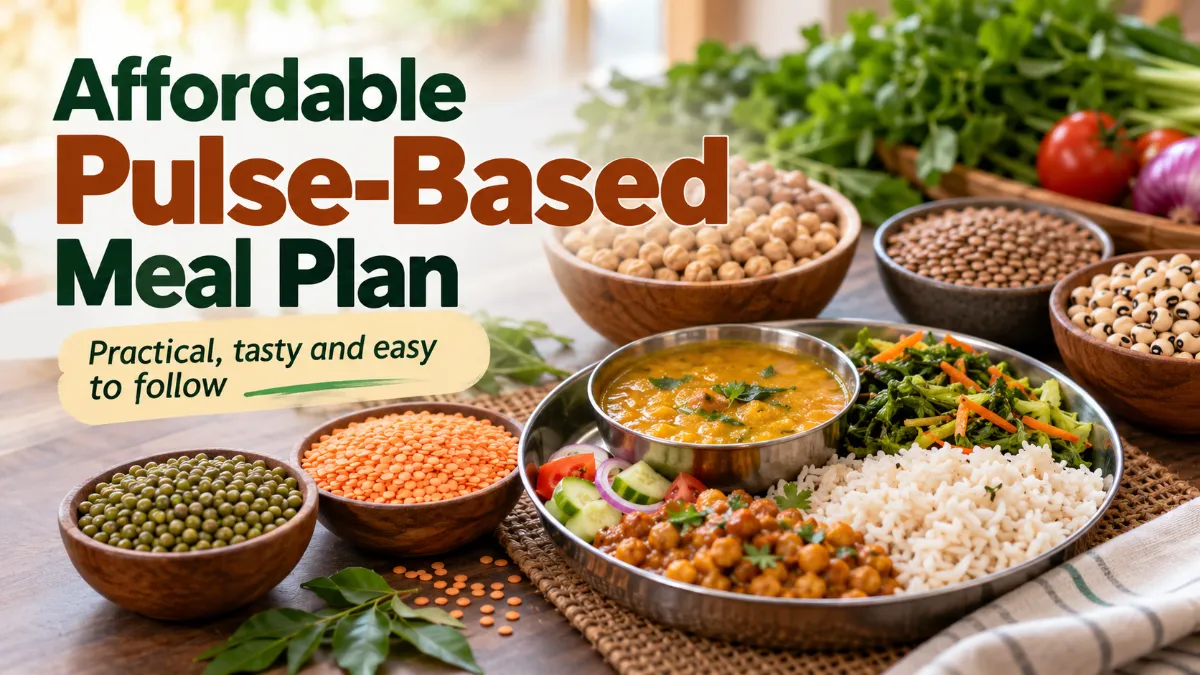
Start with two pulse dishes your household likes. One could be a simple dal and the other a chickpea or cowpea curry. Plan the accompanying grain and vegetables at the same time instead of preparing a large pot of rice and thinking about balance afterwards. For a mixed dish such as khichdi, note the quantities of grain and pulses in the recipe and the number of portions it produces. This makes repeated preparation more consistent. You do not need to replace every familiar meal. A dependable rotation of a few dishes can be more useful than a collection of complicated recipes that require unusual ingredients.
Compare cost per usable meal
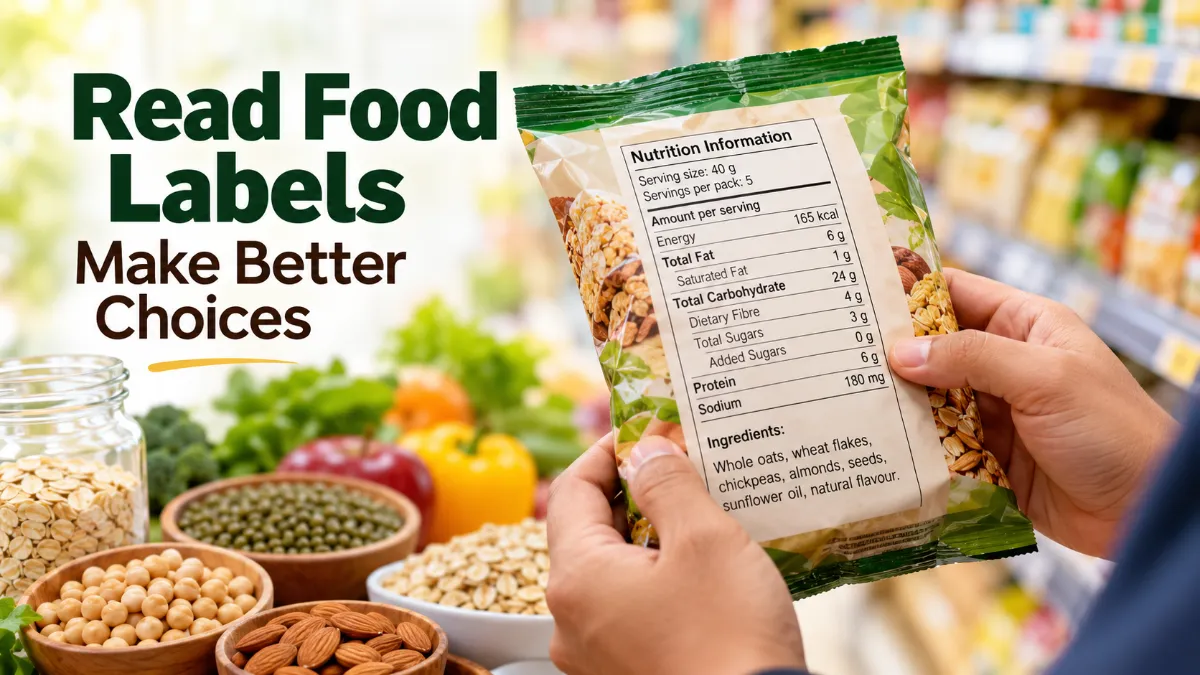
A large packet is not a bargain if much of it is wasted or you lack safe storage. Compare prices by weight, then consider how many meals you can realistically prepare. Buying one familiar pulse in an affordable quantity may be better than purchasing several varieties for a plan you have not tried. Include fuel, cooking time, and refrigeration in your thinking. If a ready-cooked product saves time, inspect its ingredients and nutrition panel rather than dismissing it automatically. The best choice depends on your kitchen and schedule. Write down the total cost of a batch and divide it by the portions actually eaten.
Create a manageable preparation routine
Check the preparation guidance for the pulse you use; different varieties need different handling. When cooking a batch, decide in advance which meal will use it and how the remaining portions will be stored safely. Date containers, refrigerate promptly, and avoid leaving cooked food at room temperature while waiting for the next meal. If you cannot store extra portions safely, cook smaller amounts. A shared household routine can help: one person checks supplies, another plans the next dish, and another washes containers. Preparation should make eating easier, not create a second job for the person managing diabetes.
Make variety come from the recipe
You can vary flavour through vegetables, herbs, and spices rather than buying a different speciality ingredient every week. A familiar dal can be prepared with different vegetables, or a chickpea dish can be served as part of a planned lunch bowl. Adjust texture to suit the household: thicker dishes may be easier to portion consistently than very thin preparations. Keep track of additions such as large amounts of oil, cream, or salty condiments. They affect the complete recipe even though the pulse itself has not changed. A meal can remain recognisably traditional while its preparation becomes more deliberate.
Introduce changes gradually
Someone who rarely eats pulses may prefer to begin with a small, familiar preparation rather than immediately making them the centre of every meal. Note digestive comfort and discuss persistent symptoms with a healthcare professional. The CDC's fibre guidance recommends increasing fibre gradually rather than making abrupt changes. If you have a fluid restriction or a medical diet, follow your clinician's instructions rather than general hydration advice. Comfort matters because an uncomfortable plan is difficult to sustain. It is reasonable to test a recipe on a quiet day before packing it for work or serving it before a long journey.
Plan for lunches and leftover portions
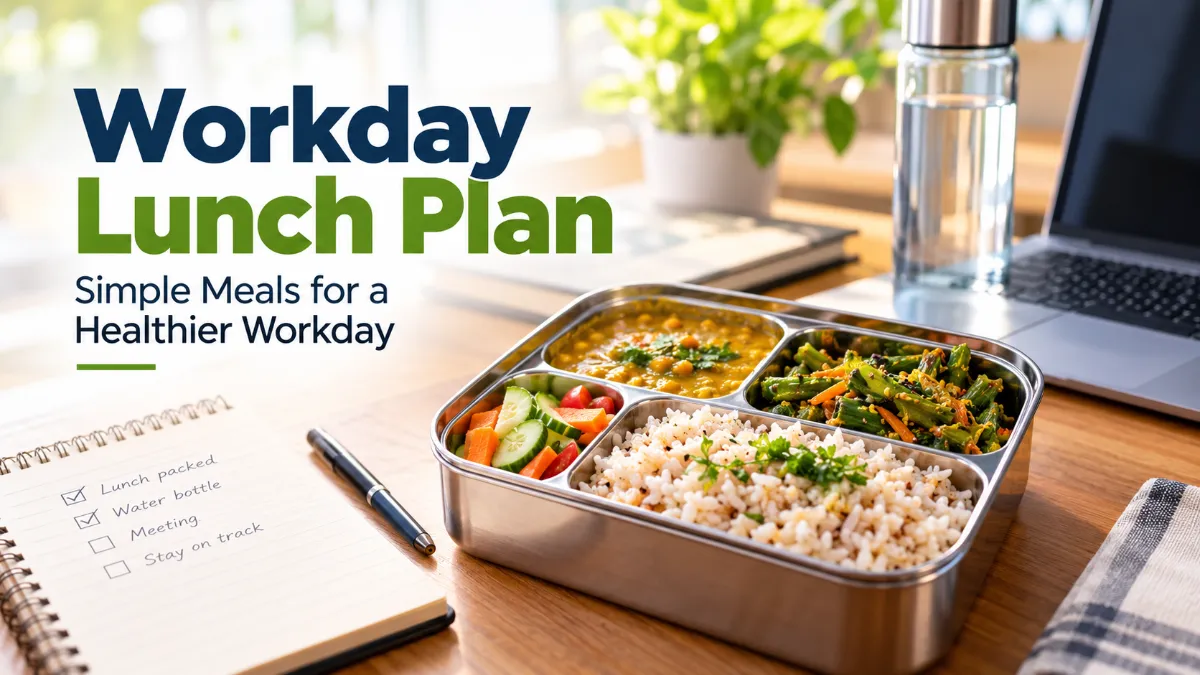
Pulses can be useful for a packed lunch when safe cooling, transport, and storage are available. Decide whether the dish will be eaten cold or reheated and choose containers accordingly. Pack the intended grain portion separately if that makes quantities easier to judge. Add a suitable vegetable dish and a drink that fits your routine. If a family member takes a different portion, label the container rather than relying on memory during a busy morning. A lunch plan should also include what happens if you forget the box. Identify a nearby option so that one disruption does not lead to skipping a meal.
Review what works in your household
After a week, ask which meals were enjoyed, which took too long, and what was left uneaten. Change the preparation or shopping quantity before assuming that the whole approach has failed. If food affordability is affecting medicine use or causing missed meals, tell your care team directly. Nutrition advice is more useful when it acknowledges real constraints. Glycemia Biotech's educational aim is to help people make informed choices, including choices built from ordinary pantry foods. A pulse-based routine is successful when it is affordable, safe to prepare, enjoyable, and compatible with the person's individual diabetes care plan.
Sources and References
Frequently Asked Questions
No. Dal also contributes carbohydrate, and recipes vary in ingredients and thickness. Consider the serving alongside rice, roti, and the rest of the meal. A dietitian can help you choose an amount appropriate for your nutrition needs and any carbohydrate-counting method you use.
Not in every situation. Dried pulses may be economical, while a ready-cooked option may solve a time or equipment problem. Compare ingredients, nutrition information, price, and your actual kitchen needs. The product you can use safely and consistently may be the more practical choice.
Try a gradual introduction using a familiar preparation, and check that it is cooked properly. Persistent pain, substantial bloating, or other concerning symptoms should be discussed with a healthcare professional. Do not force a large increase simply because a meal plan calls the food healthy.
Your overall needs depend on your eating pattern, health conditions, and the rest of your diet. Pulses can contribute to a varied plan, but a dietitian should assess whether it meets your requirements. Kidney disease and other conditions may require specific changes to protein intake.
Choose familiar varieties, buy quantities you can store, and plan recipes that use the same ingredients across several meals. Track waste as well as price. Avoid adding costly products unless they solve a clear problem. Bring your budget constraints into discussions with your care team.