


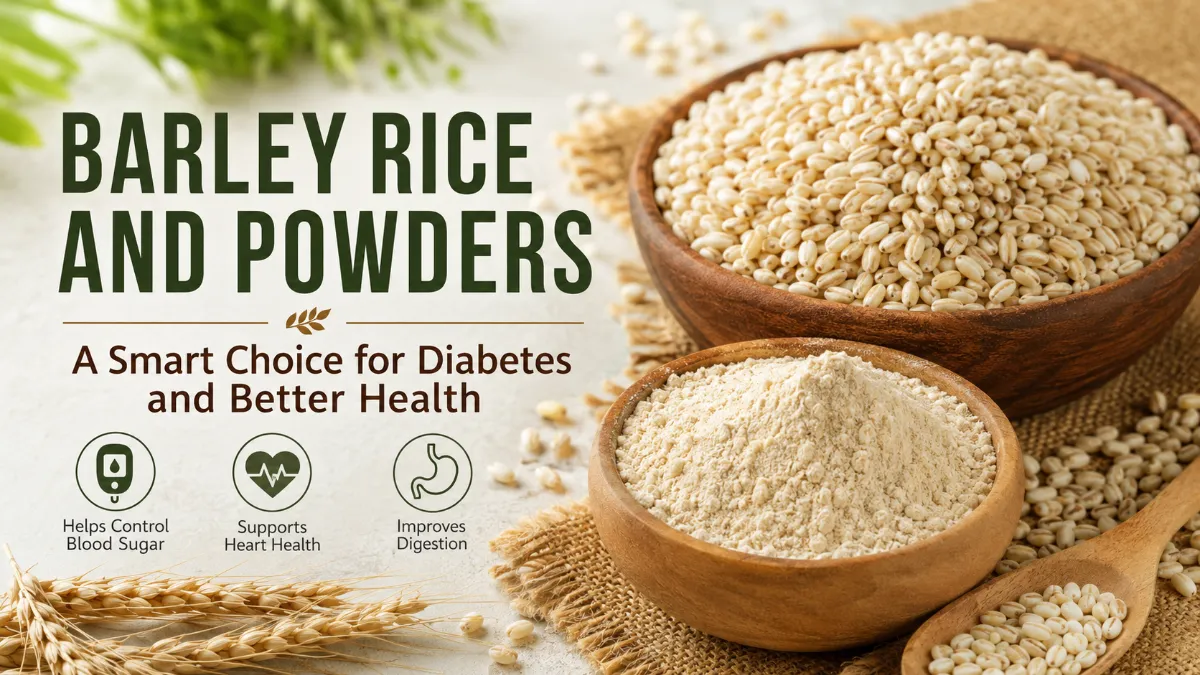
Barley: A Nutrient-Rich Grain for Diabetes Management and Holistic Wellness
Discover the extensive health benefits of barley rice and barley powder, a smart, low-GI grain choice for managing blood sugar, supporting digestive health, and promoting overall well-being.
Article Snapshot
This article details the health benefits of barley rice and barley powder, emphasizing their value for diabetes management and overall wellness. It highlights barley's rich nutritional profile, particularly its high fiber content (including beta-glucan), and its role in blood sugar regulation, weight management, digestive health, and heart health. The piece contrasts barley with refined grains like white rice, advocating for its inclusion in a balanced diet due to its low glycemic index and sustained energy release. Practical tips for incorporating barley into daily meals and considerations for specific health conditions are also provided.
- Barley is a nutrient-dense ancient grain rich in fiber, vitamins, minerals, and antioxidants.
- Barley rice and powder offer significant benefits for diabetes management, including blood sugar control and lower GI.
- High fiber content in barley promotes satiety, aids digestion, and supports weight management.
- Barley contributes to heart health by potentially improving cholesterol levels.
- It provides sustained energy release, unlike refined carbohydrates.
- Barley is a versatile food that can be easily integrated into daily meals.
Medical Review & Verification
Managing diabetes is not just about avoiding sugar. It is about choosing foods that help maintain stable blood sugar levels while providing essential nutrients for the body. Among the many healthy grains available today, barley has gained significant attention due to its impressive nutritional profile and potential health benefits.
Barley is one of the oldest cultivated grains in the world and has been used in traditional diets for thousands of years. Today, barley is available in various forms, including barley rice and barley powder. These products are becoming increasingly popular among people with diabetes, fitness enthusiasts, and individuals looking for healthier alternatives to refined grains.
Barley rice can be cooked similarly to regular rice, while barley powder can be added to beverages, porridge, soups, and baked foods. Both forms offer numerous health benefits and can become valuable additions to a balanced diet.
This article explores the benefits of barley rice and barley powder, particularly for people with diabetes, while also highlighting why they are beneficial for everyone seeking a healthier lifestyle.
What is Barley?
Barley is a whole grain that belongs to the grass family and is rich in fiber, vitamins, minerals, and antioxidants. Unlike refined grains, barley retains much of its natural nutritional value.
It is commonly available in:
- Barley rice
- Barley powder
- Pearl barley
- Hulled barley
- Barley flour
- Barley flakes
The grain is known for its slightly nutty flavor and chewy texture, making it suitable for various dishes.
Nutritional Value of Barley
Barley contains numerous nutrients that contribute to overall health.
Key Nutrients Found in Barley
- Dietary fiber
- Protein
- Iron
- Magnesium
- Phosphorus
- Zinc
- Selenium
- Vitamin B complex
- Potassium
- Antioxidants
One of the most important components of barley is beta-glucan, a type of soluble fiber known for its positive effects on blood sugar and cholesterol levels.
Understanding Barley Rice
Barley rice is processed barley that resembles rice in appearance and cooking style. It is often used as a healthier substitute for white rice.
Why People Choose Barley Rice
Many people are replacing white rice with barley rice because:
- It has more fiber.
- It promotes fullness.
- It supports better blood sugar control.
- It provides longer-lasting energy.
- It contains more nutrients than polished white rice.
For individuals who consume rice daily, substituting a portion of white rice with barley rice can be a simple step toward healthier eating.
What is Barley Powder?
Barley powder is made by grinding barley into a fine powder. It offers a convenient way to enjoy the benefits of barley without cooking whole grains.
Common Uses of Barley Powder
Barley powder can be added to:
- Warm water
- Milk
- Smoothies
- Soups
- Porridge
- Roti dough
- Pancakes
- Baked foods
Its versatility makes it suitable for people with busy lifestyles.
Benefits of Barley for People with Diabetes
1. Helps Control Blood Sugar Levels
One of the primary reasons barley is recommended for people with diabetes is its ability to support stable blood sugar levels.
The soluble fiber beta-glucan slows down the digestion and absorption of carbohydrates. As a result, glucose enters the bloodstream more gradually.
Benefits Include
- Reduced blood sugar spikes after meals
- Better glucose management
- Improved insulin sensitivity
- Sustained energy release
For people with Type 2 diabetes, including barley in meals may help support overall blood sugar management when combined with medical advice and healthy lifestyle habits.
2. Low Glycemic Index Food
The Glycemic Index (GI) measures how quickly foods raise blood sugar levels.
Barley generally has a lower glycemic index than many refined carbohydrate foods.
Examples
- White rice: Higher GI
- White bread: Higher GI
- Barley: Lower GI
Foods with a lower GI are often preferred by people with diabetes because they produce a slower rise in blood sugar.
3. Supports Weight Management
Excess body weight is a major risk factor for Type 2 diabetes.
Barley helps people feel full for longer periods because of its high fiber content.
How This Helps
- Reduces unnecessary snacking
- Improves portion control
- Decreases hunger between meals
- Supports calorie management
Many people find that a barley-based breakfast keeps them satisfied for several hours.
4. May Improve Insulin Sensitivity
Research suggests that whole grains such as barley may contribute to better insulin function.
When insulin sensitivity improves, the body becomes more efficient at utilizing glucose from the bloodstream.
This benefit can be valuable for:
- Prediabetic individuals
- People with insulin resistance
- Individuals with Type 2 diabetes
Benefits of Barley for Non-Diabetic Individuals
Barley is not only beneficial for diabetes management. It offers advantages for people of all ages.
1. Promotes Heart Health
Heart disease remains one of the leading health concerns worldwide.
The beta-glucan fiber found in barley has been associated with improved cholesterol management.
Potential Benefits
- Lower LDL (bad cholesterol)
- Improved cardiovascular health
- Better circulation
- Reduced heart disease risk factors
A heart-friendly diet often includes whole grains like barley.
2. Supports Digestive Health
Fiber plays a crucial role in maintaining digestive health.
Barley provides both soluble and insoluble fiber.
Digestive Benefits
- Supports regular bowel movements
- Helps prevent constipation
- Nourishes beneficial gut bacteria
- Improves overall gut health
A healthy digestive system contributes to overall wellness.
3. Provides Long-Lasting Energy
Unlike refined carbohydrates that provide quick bursts of energy followed by crashes, barley releases energy more gradually.
This makes it suitable for:
- Working professionals
- Students
- Athletes
- Elderly individuals
Many people experience improved energy levels throughout the day after switching to whole grains.
4. Supports Healthy Cholesterol Levels
High cholesterol affects millions of people globally.
The soluble fiber in barley binds with cholesterol in the digestive tract and may help reduce its absorption.
Regular consumption can be part of a cholesterol-friendly dietary pattern.
5. Rich in Antioxidants
Barley contains antioxidants that help combat oxidative stress.
Antioxidants Help
- Protect cells from damage
- Support immune function
- Reduce inflammation
- Promote healthy aging
This makes barley a valuable food for long-term health maintenance.
Practical Ways to Include Barley in Daily Meals
Making barley part of your daily routine does not have to be complicated.
Breakfast Ideas
- Barley porridge
- Barley powder mixed with milk
- Smoothies with barley powder
- Barley pancakes
Lunch Ideas
- Barley rice with vegetables
- Barley salad
- Mixed grain bowls
Dinner Ideas
- Vegetable barley soup
- Barley pulao
- Barley rice with curry
Healthy Snacks
- Barley drink
- Homemade barley biscuits
- Barley energy balls
Barley Rice vs White Rice
Fiber Content
Barley rice contains significantly more fiber than white rice.
Blood Sugar Impact
Barley generally causes a slower rise in blood sugar levels.
Nutritional Value
Barley contains more vitamins, minerals, and antioxidants.
Satiety
Barley keeps people feeling full longer.
For these reasons, many nutrition experts consider barley a healthier alternative to refined white rice.
How Much Barley Should You Consume?
Moderation remains important.
A balanced approach is recommended.
General Guidelines
- Start with small portions.
- Gradually increase intake.
- Drink adequate water because of the high fiber content.
- Combine barley with vegetables and protein sources.
People with diabetes should continue monitoring blood sugar levels and consult healthcare professionals regarding dietary changes.
Who Should Be Careful with Barley?
Although barley is beneficial for many people, it may not be suitable for everyone.
Individuals Who Should Consult a Healthcare Professional
- People with celiac disease
- Individuals with gluten sensitivity
- Those with specific digestive disorders
Barley naturally contains gluten and should be avoided by individuals who require a gluten-free diet.
Why Barley Powder is Gaining Popularity
Barley powder is becoming increasingly popular because it offers convenience without sacrificing nutritional value.
Advantages of Barley Powder
- Easy to prepare
- Suitable for busy lifestyles
- Can be added to many foods
- Supports healthy eating habits
- Convenient for travel
For individuals who struggle to cook whole grains regularly, barley powder offers a practical alternative.
Tips for Buying Quality Barley Products
When purchasing barley rice or barley powder:
- Choose reputable brands.
- Check ingredient labels.
- Avoid products with unnecessary additives.
- Store in a cool, dry place.
- Check manufacturing and expiry dates.
High-quality barley products deliver the best nutritional benefits.
Conclusion
Barley rice and barley powder are excellent additions to a healthy diet. Their rich fiber content, especially beta-glucan, makes them particularly valuable for people with diabetes who need better blood sugar management. At the same time, barley offers numerous benefits for non-diabetic individuals, including improved digestive health, heart support, cholesterol management, and long-lasting energy.
Replacing a portion of refined grains with barley can be a simple yet effective dietary improvement. Whether consumed as barley rice, porridge, soup, or powder, this ancient grain continues to prove its value in modern nutrition.
For people seeking a natural and nutrient-rich food that supports overall wellness, barley remains one of the smartest grain choices available today.
Sources and References
Frequently Asked Questions
Yes. Barley contains more fiber and has a lower glycemic index than white rice, which helps support better blood sugar control.
Yes. Barley powder can be consumed daily in moderation as part of a balanced diet, provided there are no gluten-related health concerns.
Barley's high fiber content promotes fullness and may help reduce overeating, making it useful for weight management.
Absolutely. Barley supports heart health, digestion, cholesterol management, and sustained energy levels for everyone.